
Anna Forés: «If the brain learns that reading is enjoyable, it will be a reader for life»
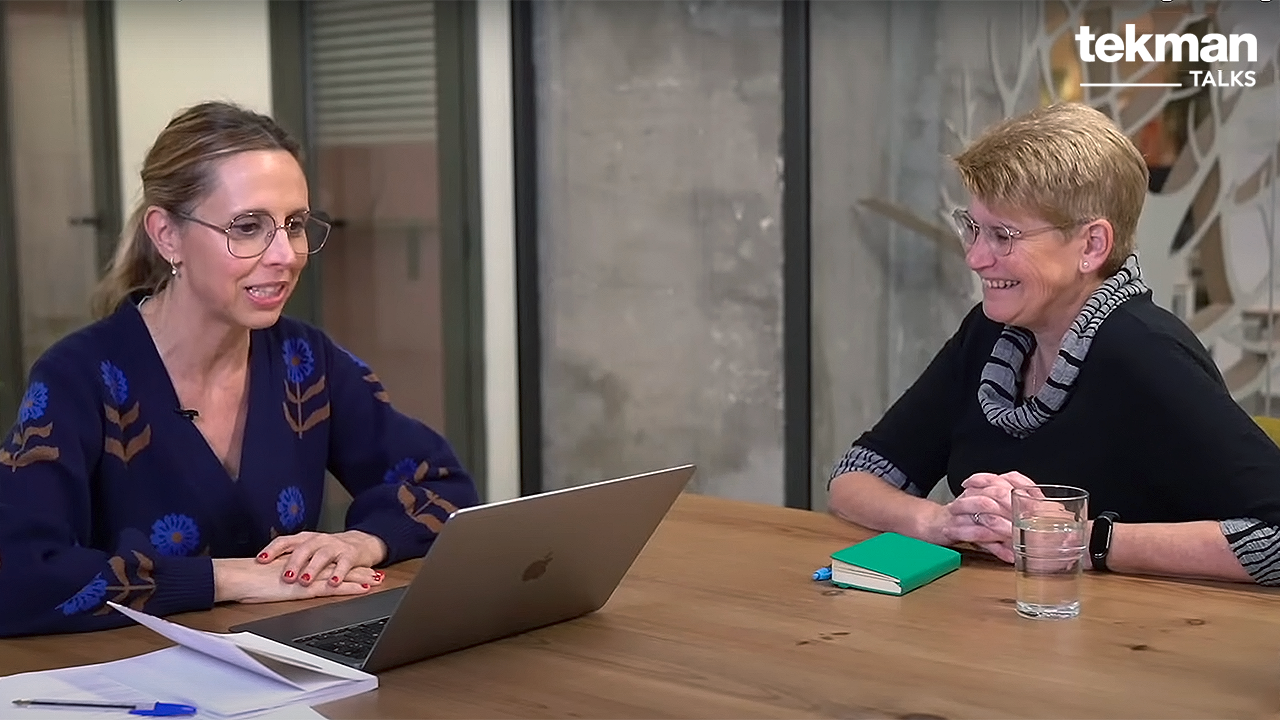
Science keeps giving us more insight into how we learn. To talk about advances in educational neuroscience and how they apply in the classroom, we interviewed Anna Forés, a renowned education researcher, director of the UB-EDU1st Chair in Neuroeducation, and professor at the University of Barcelona; a true expert on the subject.
Drawing on her latest book, ‘La lectura en voz alta: sus beneficios. Un descubrimiento (fascinante) desde la neuroeducación‘ (Reading aloud: its benefits. A [fascinating] discovery from neuroeducation), co-written with David Bueno and Antonio Ruiz Bueno, we asked her about reading at different school stages, teaching through emotions, and other educational neuroscience strategies to help students enjoy the benefits of reading and improve their learning.
In this article, we share some of the main ideas from our tekman Talks with Anna Forés, which you can now watch in full on our YouTube channel.
Reading aloud and other insights from educational neuroscience
- Reading is a complex process for our minds, and forcing children to learn to read before their brain is ready can lead to frustration and later rejection. Although every child learns at their own pace, age 7 is a standard age by which students should be reading.
- To help students learn to read, there are two important prior steps: building their vocabulary and giving them opportunities to talk and communicate, both at school and at home.
- Reading aloud is essential. In the early years, it’s beneficial to have moments when we read stories to children, because they associate the experience with a pleasant moment. It’s also recommended to involve them actively in reading by asking them questions about the story we’re reading.
- Creating cozy, quiet, pleasant reading spaces is essential. This way, students associate reading with a feeling of well-being that makes them want to come back to it, while we also avoid outside distractions and help them concentrate for good reading comprehension. To do this, we can set up reading corners in the classroom or in the school hallways, with stories and books that catch their attention, and make the school library an inviting place for them.
- Reading on digital devices can add distracting stimuli, while reading on paper engages more senses and is more beneficial for learning.
- It’s important to look for creative strategies to encourage teenagers to read, such as having older siblings read to younger ones or using more dynamic approaches like plays.
- Incorporating certain learning strategies, such as phonological awareness and the development of executive functions from an early age, helps lay the foundations for successful learning.
- Reading not only improves reading comprehension; it also contributes to the development of cognitive skills such as memory and attention, which are essential for effective lifelong learning.
- Adults, whether family members or teachers, are role models for students. If children see adults reading regularly and enjoying it, with stories and books available both at home and in the classroom, they’re much more likely to become curious and develop a reading habit.
Resources to encourage reading and improve reading comprehension in the classroom
After watching the interview with Anna Forés and taking in her insights, here’s some content on educational neuroscience and reading literacy, with strategies and activities to use in the classroom:
- Reading comprehension guide with graphic organizers: How to help your students understand what they read
- Interview with Anna Forés: «Too many stimuli lead to much less learning»
