
Building positive communication: how to strengthen the relationship between teachers and students
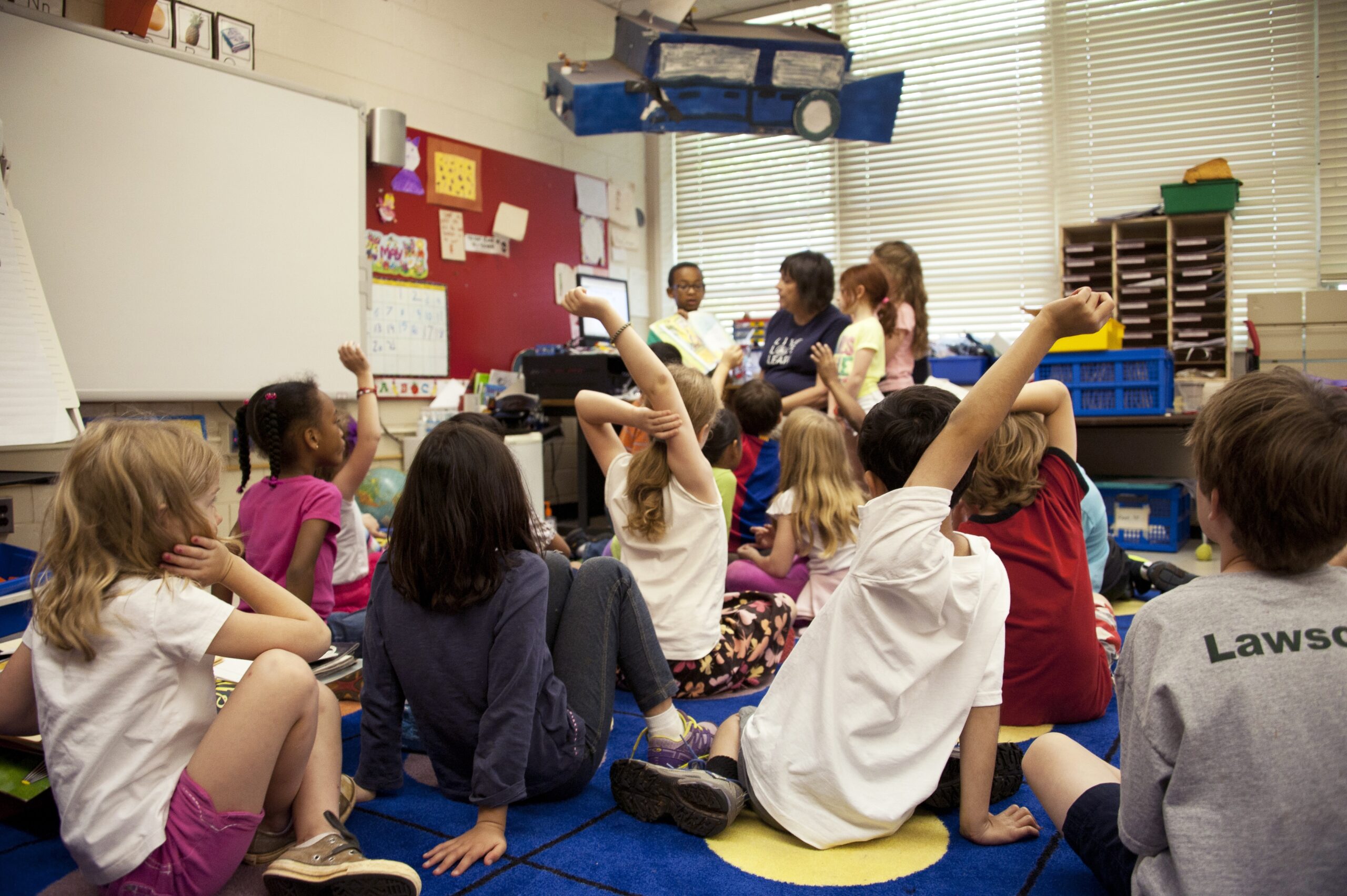
The relationship between teachers and students is much more than a simple classroom interaction: it’s the backbone of the entire educational process. A strong, positive bond can work wonders for students’ learning and emotional well-being. But how do you build and maintain this crucial relationship?
In this article, we’ll break down every aspect of effective communication between teachers and students, offering practical strategies, common challenges and tips for overcoming them.
How do you build a good relationship between teachers and students?
Understanding the relevance and impact of a good relationship between teachers and students is essential to appreciating the need for effective communication strategies.
Short-term benefits
Building a strong bond from the start creates a more relaxed and open classroom environment, which makes learning easier. Children feel more comfortable participating, asking questions and taking academic risks, which improves their performance and engagement in class.
Long-term benefits
We shouldn’t underestimate the long-term effects of positive communication. Students who have meaningful relationships with their teachers are less likely to experience emotional and behavioral problems and more likely to have a successful educational and professional path.
What should communication between teacher and student look like?
With a clear understanding of how important a good relationship between teachers and students is, it’s time to explore strategies that really work.
Active listening
Active listening goes beyond hearing: it means understanding, processing and responding. To do this, it’s vital to listen not only to the child’s words but also to their underlying emotions and concerns.
Communication problems often arise simply from misunderstandings that could have been avoided with more attentive listening.
Constructive feedback
Effective feedback strikes a balance between constructive criticism and genuine praise. Providing detailed, useful feedback takes time and thought, but the impact on student motivation and performance can be significant.
Positive body language
Open, friendly body language can make a big difference in how your communication with your students is perceived. Things as simple as eye contact, a smile or even a nod can completely transform the tone of a conversation.
Create spaces for dialogue
Communication is a two-way process. That’s why it’s crucial for children to feel they have a space to express themselves freely. Consider setting aside regular times when students can share their thoughts, concerns and suggestions.
Using communication technologies
In the digital age, technology tools can play a role in strengthening communication between teachers and students. Messaging apps, educational platforms and forums can be excellent channels for maintaining consistent, effective communication.
Challenges between students and teachers and how to overcome them
Effective communication isn’t without its challenges. Let’s explore how to overcome obstacles that could get in the way of building a strong relationship.
Generational differences
The generation gap can be a source of misunderstandings and conflict. Here, the key is to be flexible, willing to adapt to different communication styles and open to understanding youth culture.
Language and cultural barriers
Cultural and linguistic diversity in classrooms can be both an asset and a challenge. A well-prepared teacher should be aware of these differences and adapt their communication so it’s understood in a sensitive, respectful way.
Diverse learning styles
Not all children learn the same way, which means they won’t all respond in the same way to a single communication style. Diversifying communication techniques to accommodate different learning styles can make a big difference in how effective communication is.
Keep working to improve classroom communication
Building effective communication between teachers and students is an ongoing process, full of challenges but also rewards. Every step taken to improve this relationship will be reflected not only in students’ academic performance but also in their future lives.
Education is a journey that teachers and students take together, and the way we communicate along the way can make all the difference.
