
5 practical tips for teachers: back to school in Early Childhood
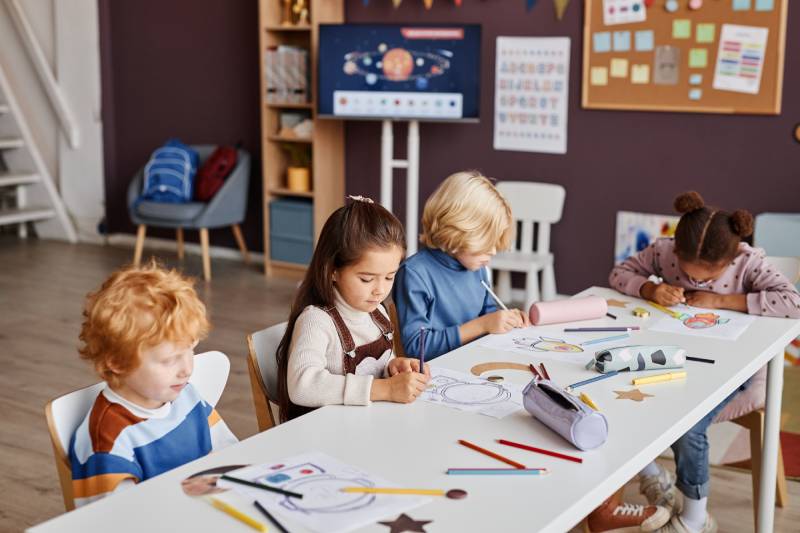
Going back to school in Early Childhood can be a challenge, both for teachers and for students. The start of the school year is key to setting classroom dynamics, building a positive atmosphere, and making sure children feel safe and motivated to learn. That’s why tekman Education is sharing 5 practical tips to help you start the year with energy and organization, and without stress. Let’s go!
1. Plan welcome activities for back to school in Early Childhood
The first few days are essential for creating a good atmosphere. Plan short, lively, fun welcome activities suited to the children’s age. For example, organize a classroom treasure hunt so they can explore the different areas and materials. You can also do a getting-to-know-you activity, passing a ball around one by one and saying your name and something you like. It’s a fun, lively way to get to know the whole class! These activities help break the ice and build connections from day one.
2. Set up a clear, visual daily schedule
Routines help us feel safe, especially when we’re little. To reinforce them, create a visual schedule with pictures and colors showing the different activities of the day, such as snack time, recess, or story time. Place it at children’s eye level so they can see it easily. Get them involved in changing the cards or moving the clock hands, so they take an active part and understand the schedule better.
3. Create a calm-down corner for emotional self-regulation
Going back to school can make some children anxious or nervous, especially in Early Childhood. Create a calm-down corner in the classroom, a quiet space with cushions, stuffed animals, or stories about emotions, where students can go to relax when they need to. Explain how and when they can use this corner, and teach them simple breathing exercises or mindful attention games (mindfulness) to help them manage their emotions.
4. Organize materials in an attractive, accessible way in the classroom
Well-organized classroom materials are key to building independence and order from day one. Use boxes or baskets labeled with easy-to-recognize pictures and words so students know where to find and put away materials such as crayons, play dough, puzzles, or storybooks. Keeping everything in its place makes materials easier to access and organize, promoting responsibility and care for their surroundings. That way, cleaning up becomes a much more fun game!
5. Involve Early Childhood families from the first day of school
Invite Early Childhood families to take part in the classroom right from the start of the school year. For example, hold a welcome meeting to share the goals for the year and offer them ways to get involved (helping with special-day activities or class projects, joining the PTA, etc.). All our Early Childhood programs include letters to families that explain the learning goals, along with other information that helps parents better understand how their children will learn.
Use these tips to make the transition easier for everyone and create a positive, enriching learning environment. You’re all set for a great school year! Back to school in Early Childhood will be a success.
Want to learn more? Don’t miss these recommended resources:
- ARTICLE Emotional management and education in the Early Childhood classroom
- GUIDE Mindfulness and yoga in the Early Childhood classroom
- ARTICLE Preventing reading and writing difficulties in Early Childhood
