
Devices in the classroom: what do teachers think?
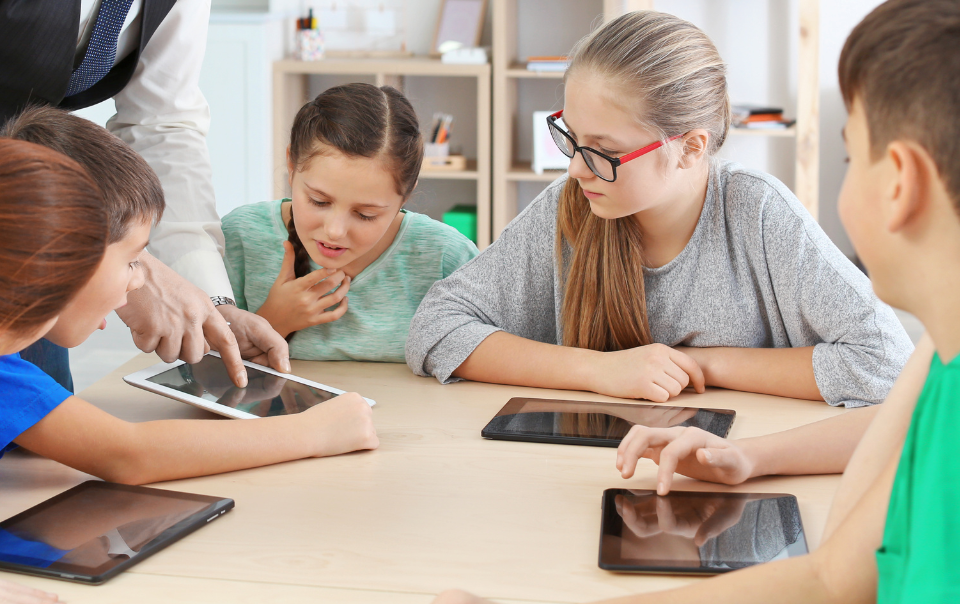
How does technology affect teaching? To find out, we went straight to the people who know the classroom best: teachers. At tekman, we listen to your needs and experiences so we can keep improving our educational tools and materials. That’s why we surveyed 315 teachers across different grade levels, gathering revealing data on how they view and use technology and devices in the classroom.
Technology in the classroom: yes or no?
Most respondents have a positive view of how devices affect learning, but they also point out some challenges. Here are a few key points:
- Motivation: 83.5% of teachers believe devices increase student motivation. They find digital tools such as interactive platforms and multimedia materials especially useful for capturing students’ attention.
- Attention: However, 30.5% notice that devices can have a negative effect on students’ concentration. This underlines the importance of using technology in a balanced way and with a clear purpose.
What is the preferred format for teaching?
Teachers are clear: the hybrid model wins by a landslide. 72.1% prefer combining traditional and digital materials. According to them, this mix makes it possible to get the best of both worlds, adapting lessons to each student’s needs and learning pace.
Some of the most highly rated digital resources are:
- Platforms for individualized practice (21.9%)
- Multimedia materials (18.7%)
- Teacher management tools (11.1%)
Many teachers also use devices to complement print materials, strengthen digital skills, or address specific needs.
What conclusions can we draw about devices in the classroom?
This survey confirms that technology can be a great ally in the classroom, but it also shows the need for balance. Teachers stress that, for technology to be truly useful, it’s essential to have training, the right resources, and clear goals.
In addition to the data shared here, we also asked about the best way to use devices in the classroom, how they can help personalize learning, and much more. If you want to dig deeper into the data and discover all the details, download the full report. You’ll find ideas and strategies to inspire you to integrate technology effectively into your lessons. Don’t miss it!
Don’t miss these related articles:
- Too much screen time? Risks and recommendations for Early Childhood
- Screens in Primary: the benefits and risks of digital learning
- PISA tests: competency-based teaching strategies to improve reading comprehension
