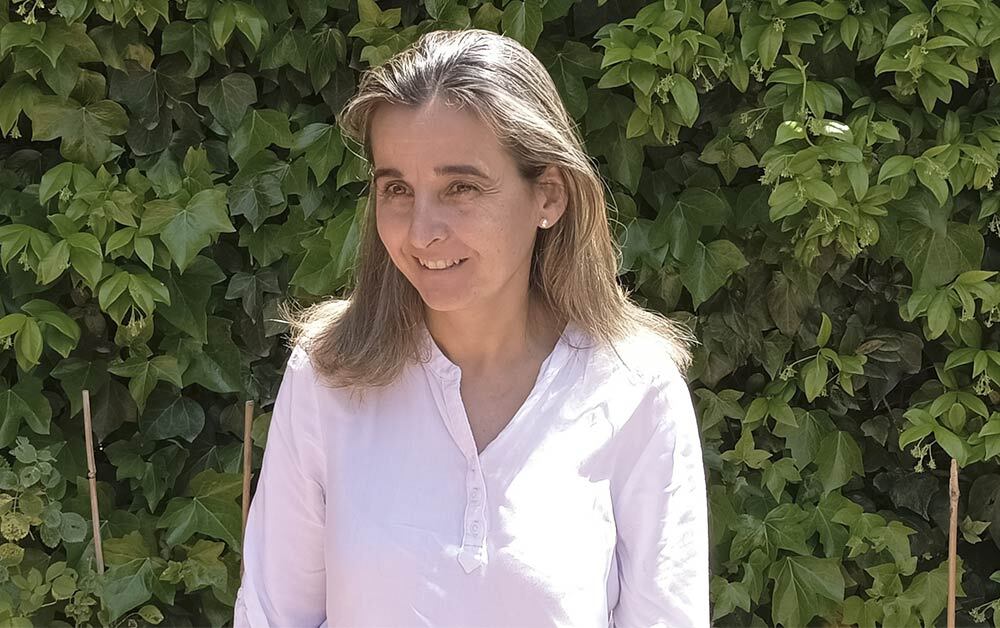
Mariana Morales: “Assessment isn’t just checking what a student knows, but understanding how to support their learning effectively”
On Monday, January 27, we were joined by Mariana Morales, a formative assessment specialist, for the webinar “Assessing to learn: practical strategies for every stage” (in Spanish). Mariana shared a wealth of ideas, techniques, and tips we can apply at every stage, from Early Childhood to Secondary. If you couldn’t attend live, or if you want to review the highlights, here’s a summary of the key points of her talk.
Assessing to learn: strategies for every stage with Mariana Morales
Formative assessment: beyond tests
Mariana Morales clarifies something fundamental: summative assessment and formative assessment are not the same thing. While summative assessment is used at the end of a process to certify what has been learned (what grade did I get?), formative assessment is an ongoing process that helps gather evidence during learning in order to adjust and improve it.
“Assessment isn’t just checking what a student knows, but understanding how to support their learning effectively.” In other words, assessment isn’t only about knowing where our students are, but about how to take them further.
Mariana Morales: an expert voice in educational assessment
If you don’t know Mariana Morales Lobo yet, here’s a quick introduction. She is an educational consultant, author, and above all, passionate about formative assessment. With experience as a teacher and teacher trainer, Mariana designs strategies that help educators assess coherently and effectively.
In the webinar, Mariana Morales shares her practical approach to gathering and analyzing data in a meaningful way.
“The quality of the information we gather is the key to making good decisions in the classroom.”
Highlights from the “Assessing to learn” webinar
1. The ABCs of formative assessment Formative assessment in three steps:
Gather evidence: Identify and collect relevant data on students’ learning.
Analyze that evidence: Understand what they know, what they don’t know and, most importantly, why they don’t know it.
Make decisions: Adapt our teaching strategies based on what we have discovered.
2. Not all data is useful Mariana Morales leaves no room for doubt: not all the information we gather is useful. Evidence must be valid and relevant. For example, if we want to assess how children use a microscope, let’s not ask them to draw its parts. Let’s assess what really matters.
3. Mistakes we all make and how to avoid them These are some of the most common assessment mistakes:
Poorly designed tests: confusing or repeated questions can ruin an otherwise good assessment.
Not adapting to diverse learners: ignoring the needs of students with dyslexia or ADHD can distort the results.
Collecting unnecessary data: sometimes less is more. There’s no need for piles of data if they serve no purpose.
4. Assessing is teaching One of the most powerful messages of the talk is that “assessing is teaching.” Assessment isn’t an extra at the end of the road; it’s part of the process. Mariana encourages us to build assessment into everyday classroom life, using it to guide and improve learning.
5. Coherence above all Finally, we highlight the importance of aligning assessment with learning objectives. Tests, activities, and assessment criteria should all point in the same direction to reflect students’ real progress.
This tekman Academy was the perfect opportunity to rethink how we assess and how we can do it better. The strategies Mariana Morales shares give us concrete tools to improve our everyday teaching practice and support students on their learning journey.
At tekman Education, we remain committed to offering spaces for professional learning and reflection for teachers who want to make a difference in their classrooms. See you at the next online tekman Academy!